Most people describe abdominal bloating as feeling tight, full, uncomfortable,...
Read More
Struggling with weight that won’t budge despite your best efforts? At PULSE TCM, we believe that sustainable weight management starts from within. Instead of calorie counting, we identify your unique body constitution to address the internal imbalances—like slow metabolism and “dampness”—that lead to stubborn weight gain.
TCM focuses on the “Root” (the internal cause) rather than just the “Branch” (the symptoms). By optimizing your organ functions, we help you achieve a healthier weight naturally.
Traditional Chinese Medicine (TCM) views a healthy circulation of Qi (vital life energy) and blood, and smooth functioning of organ systems as essential to health and vitality.
TCM sees weight gain as due to imbalances in the bodily energy and organ systems. Stress, lack of physical activity, or a poor diet are common contributing factors that disrupt this flow. The following are some common bodily imbalances, or body constitutions, that are most commonly associated with excess weight:
| Symptoms | Body Characteristics | Cravings | |
DAMPNESSExcessive moisture or fluid accumulation in the body. |
Fatigue, feelings of ‘heaviness’, easily cold limbs | Weight gain around the waist | Sweets, starches, caffeine |
STAGNATION OF QiBlockage or disruption of the body’s vital energy (Qi). |
Stressed, easily irritable or anxious, mood swings, insomnia | Weight gain on upper body | Greasy, sour and salty foods, alcohol, red meat |
SPLEEN & KIDNEY DEFICIENCYOrgans with important roles in digestion & metabolism |
| Weight gain all around |
>Dairy, creamy foods |
|
Each session is customized based on your pulse and tongue diagnosis.
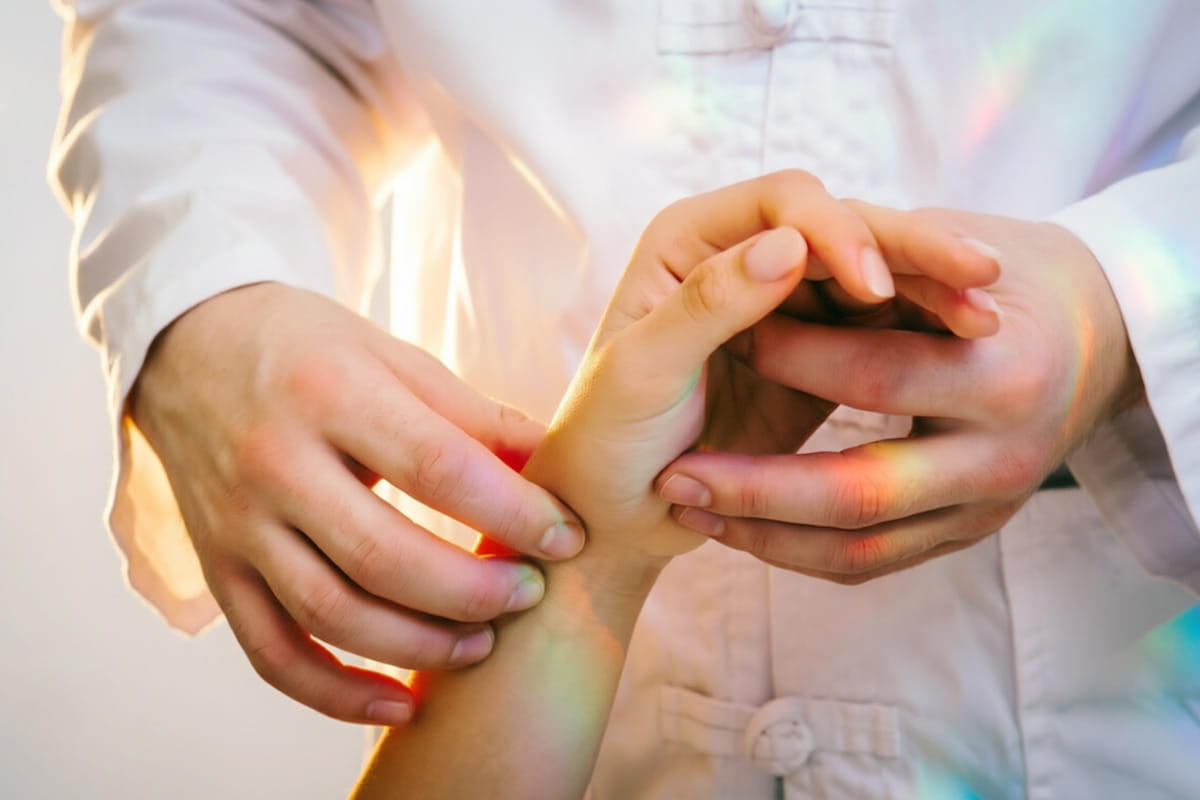
The programme begins with a detailed interview to understand your medical history, dietary patterns, and lifestyle.
Our physicians conduct an examination using TCM diagnostic methods to identify the underlying patterns of imbalance contributing to your weight issues.
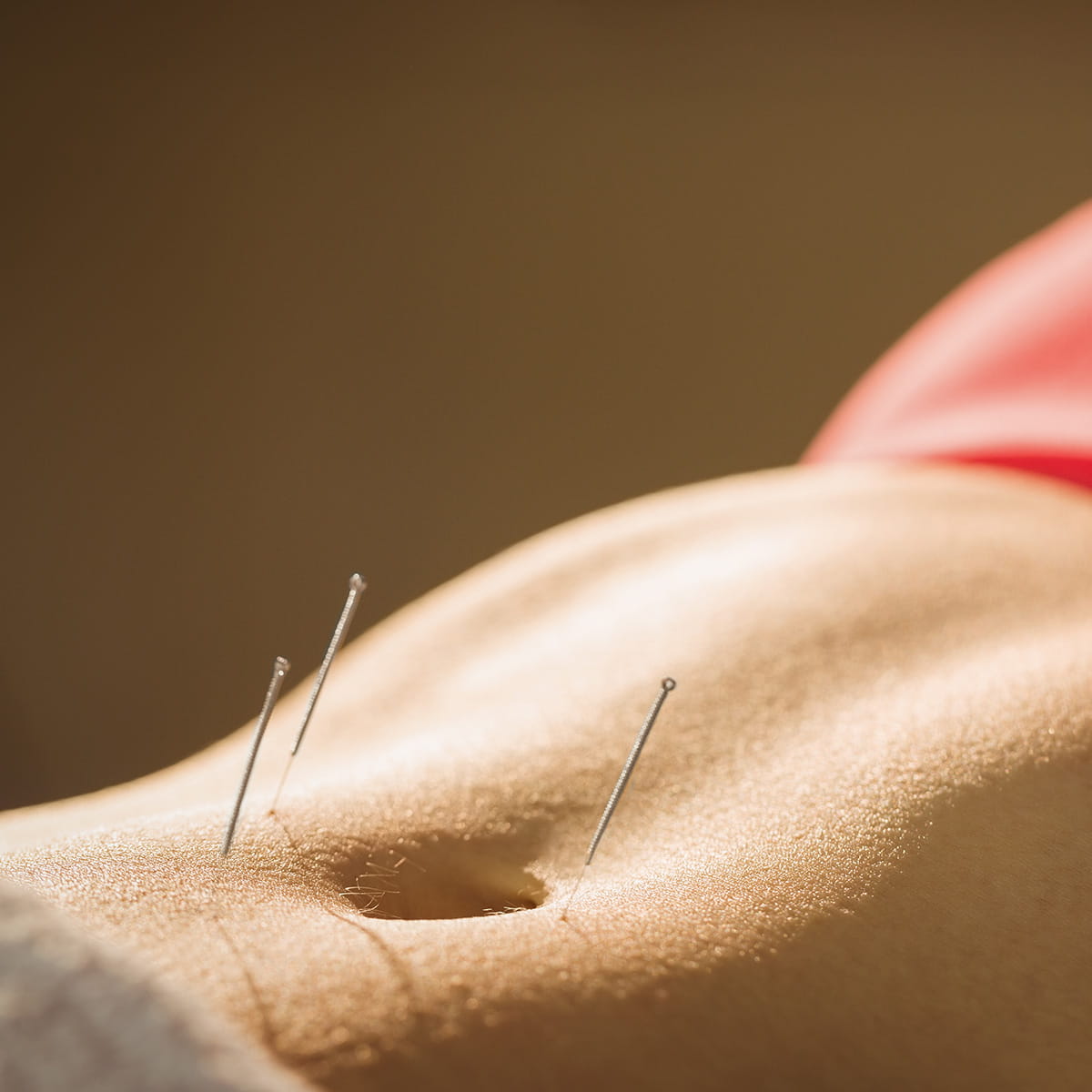
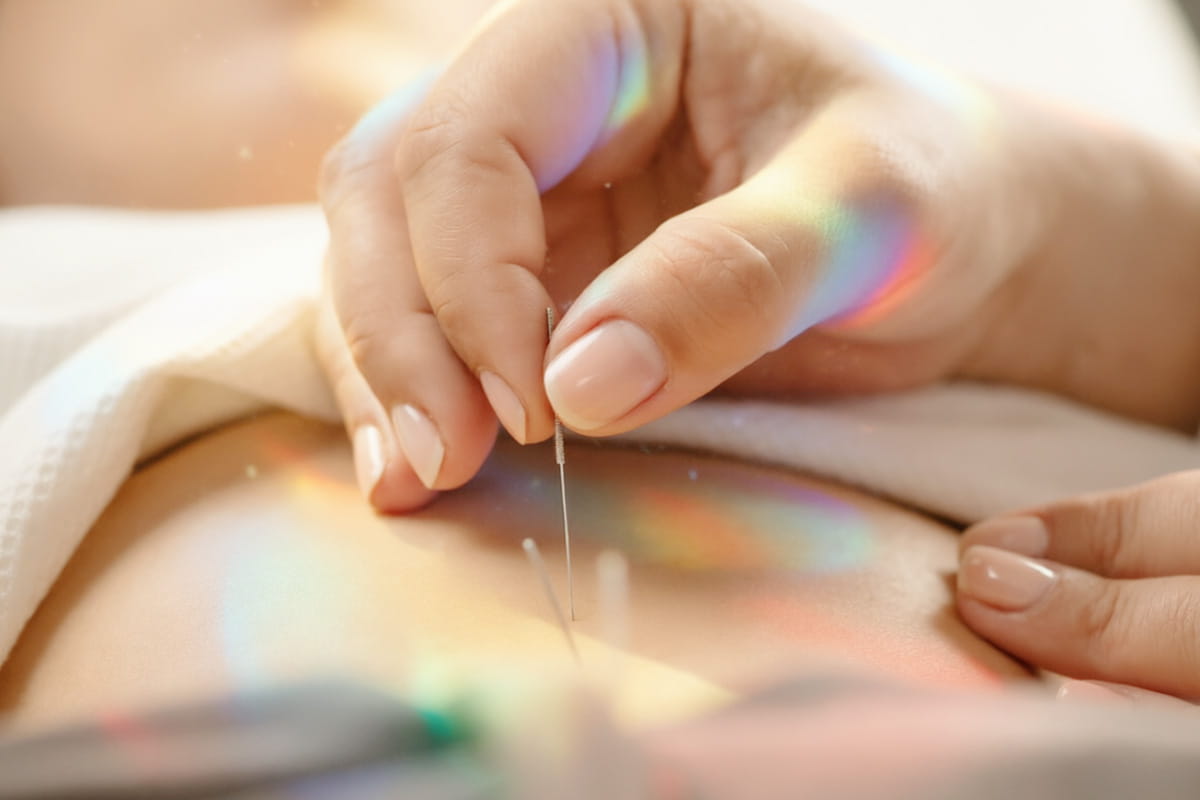
Acupuncture involves inserting thin needles into specific points to stimulate Qi and restore balance. It aids weight loss by:
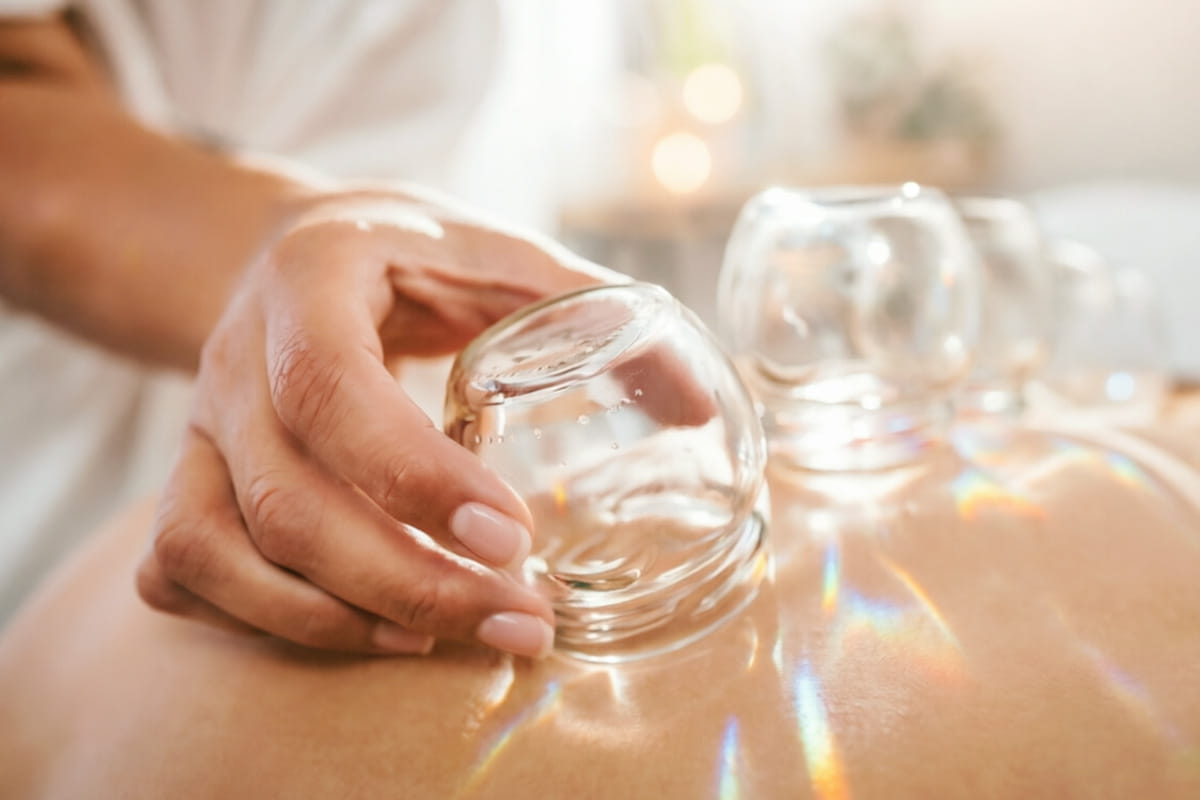
Cupping creates a vacuum suction on the skin’s surface to promote weight loss by:
Depending on your condition, your physician may also recommend moxibustion or herbal medication.
Client O, Female, 20s
Client O regularly exercised but struggled to lose weight despite trying various caloric-deficit diets and cutting back on carbohydrates. Frustrated by the lack of results, she sought a more holistic approach through TCM weight management.
After a consultation with our TCM physician, Client O was found to have Spleen Deficiency and Blood/Qi Deficiency. These imbalances manifested as chronic bloating—specifically after meals and upon waking up in the morning—indicating that her digestive system was unable to effectively process nutrients and fluids.
Includes consultation with a physician and acupuncture treatment.
Duration: Approximately 1 hour
Locations: Great World, Paragon, The Woodleigh Mall, Millenia Walk, and Raffles Place
(View Clinic Locations & Details)
*Price is subject to GST. Valid for first-time customers only.
Sure! You can choose to work with either professional as well. Simply select the clinician you would like to see on the appointment booking form.
We do find that patients usually experience more effective results when engaging both dietitian and TCM thus we would still recommend seeing both if possible.
There are no fixed commitments required and you can freely choose the number of sessions you wish to attend. However, we would recommend these number of sessions as a minimum to experience results from the programme:
TCM: Twice weekly during the first 2-4 weeks, and once weekly subsequently.
Dietitian: Once every two weeks in the beginning and on month apart in the later stage.
The sessions will require about 45-60 minutes.
While above are the recommended treatment frequency, they can be adjusted based on each patient’s needs and availability.
Acupuncture needles are hair-thin. It is generally not painful, however, some individuals may feel some soreness when needles are inserted around the associated organ with blockages or imbalance. If you are still not comfortable to undergo acupuncture, however, do express it to you physician who will be able to use alternative methods.
Electro-acupuncture is usually done on the stomach, arms and legs. Depending on the diagnosis by your physician, different acupoints will be taken. Cupping is normally done after acupuncture on the stomach, thighs, arms and/or back.
The physician will examine your pulse and tongue to keep track of the changes in your body. The physician can also monitor your condition through the cupping marks as the different colours reflect different diagnostic patterns.
The dietitian will work with the physician on tracking your progress. The follow-up sessions will allow you to ask questions, talk about what is going well, what is not working, and receive support and feedback from the dietitian.
1. Complete the booking form below to make your first appointment with a TCM physician.
2. Book your first consultation session with a dietitian.
Do read the FAQ for more information on how you can prepare for your session with a dietitian.
Most people describe abdominal bloating as feeling tight, full, uncomfortable,...
Read MoreLosing weight should not be done solely for vanity purposes,...
Read More