
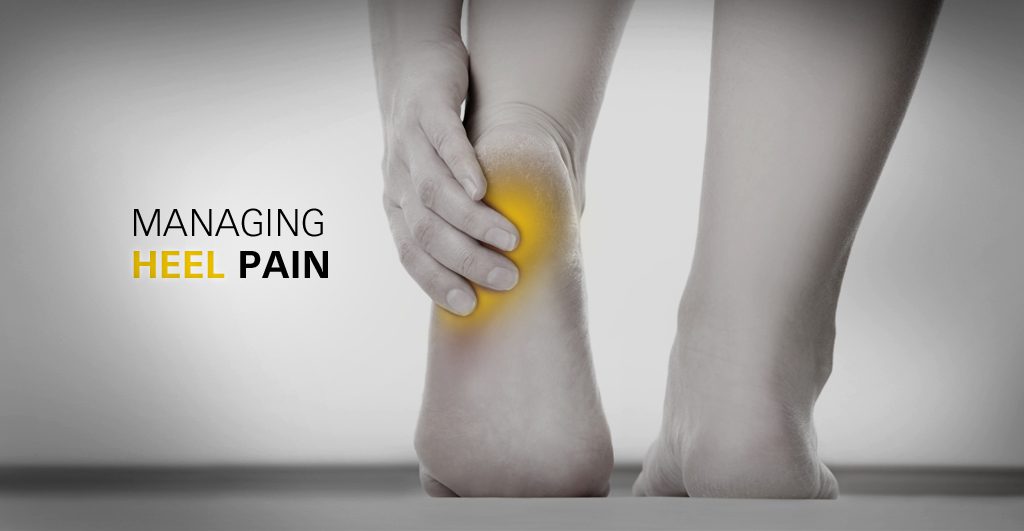
Are you dealing with a persistent heel pain? Heel pain is a common foot condition and can affect anyone in all age groups. It can develop suddenly or gradually over time, and can affect only one or both feet.
Discover the possible causes behind your heel pain and explore natural healing solutions through Chinese medicine.
Which Type of Heel Pain Do You Have?
The pain is due to inflammation of either ligament or tendon of your foot. However, pain at different areas of your heel may mean different things.
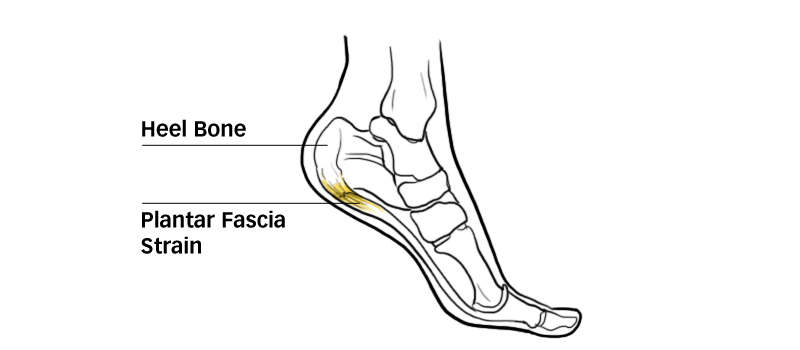
If the pain is on the bottom of your heel, it is likely to be Plantar Fasciitis.
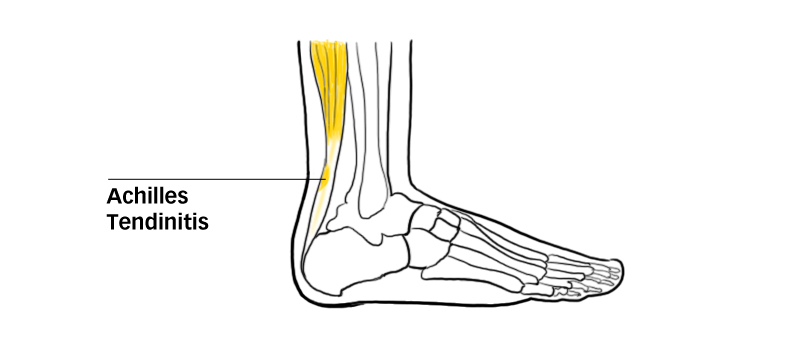
If the pain is at the back of your heel, it is likely to be Achilles Tendinitis.
Additional Symptoms of Heel Pain
- Swelling and redness on affected areas
- Pain is more severe in the morning when you take the first step off bed, or when you stand up after resting for a while
- Difficulty in walking or restrictions in certain motions
What Cause Heel Pain?
- Repetitive stress on heel (running, walking, standing or jumping excessively)
- Wearing old or poorly fitted shoes
- Overweight (increased pressure on heel)
- Wearing high heels for prolonged period
Possible Complications
Overtime without proper care and concern, a heel spur (calcium deposit) might develop on the underside of the heel bone. You may experience trouble walking or exercising as your tendon or heel bone becomes deformed. When conservative treatments fail, surgery might be needed.
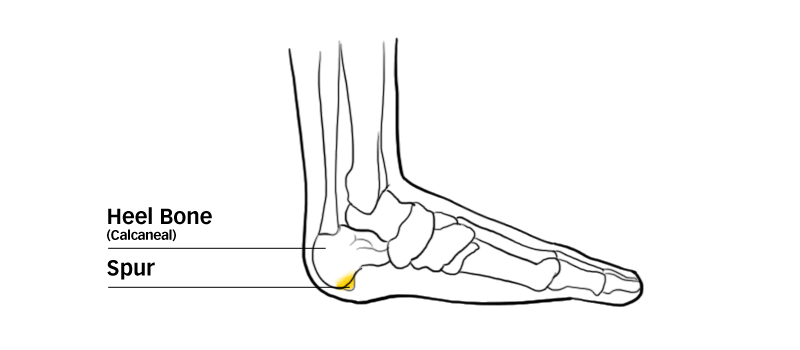
A very large heel bone can form a spur-shaped protuberance,
which can be extremely painful
TCM View on Heel Pain
According to Chinese medicine, the following are the most common root causes to heel pain.
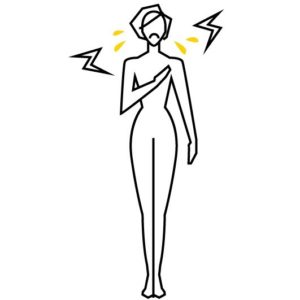 Stagnation of ‘Qi’ and Blood
This is the most common cause of heel pain according to TCM. Prolonged movements causing repetitive stress and trauma to the heel can over time it cause ‘stagnation’, or blockage of ‘Qi’ and Blood to channels in that area.
Exposure to excessive wind, cold and damp are also possible causes leading to stagnation of Qi and Blood in channels causing heel pain.
 Kidney Weakness
In Chinese medicine theory. the ‘kidneys channel’ dominates the bones and lower back, flowing down to the heel and covering most of the sole of our feet.
When your kidney is weak, your heel is likely to be lacking in support and nourishment from kidney channels. You are thus, more prone to injury, wear and tear, and pain. This is most likely to affect people of an older age group with more symptoms such as lower back pain, easily tired and frequent urination at night.
Note that individuals with the same type of heel pain can have different root causes. A TCM physician would conduct the necessary assessment to determine each patient’s unique underlying health issues.
TCM Treatments for Heel Pain
During the first consultation, a TCM physician would ask questions about symptoms and conduct TCM health assessments to diagnose the root causes of your condition. Treatments will then be tailored to each patient’s condition.
The following are TCM treatment methods that are commonly used for heel pain.
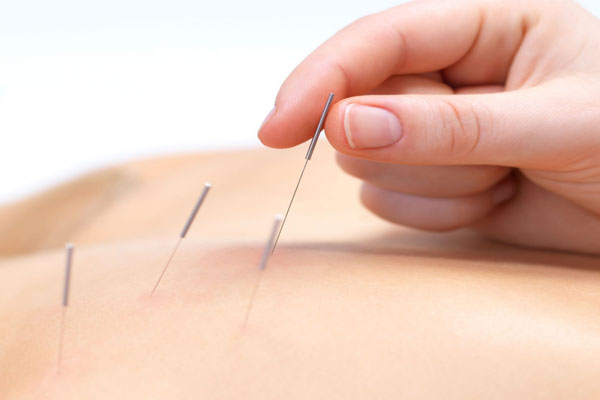 Acupuncture
Acupuncture can help with heel pain by:
– Unblocking stagnations & improving the flow of Qi and Blood
– Promoting healing to the underlying health issues that contribute to heel pain
– Reducing inflammation in the tissues around the heel
Acupuncture needles are inserted in different acupoints to target distinct issues.
Research studies have supported that acupuncture stimulates our body’s natural painkillers and relieve pain.
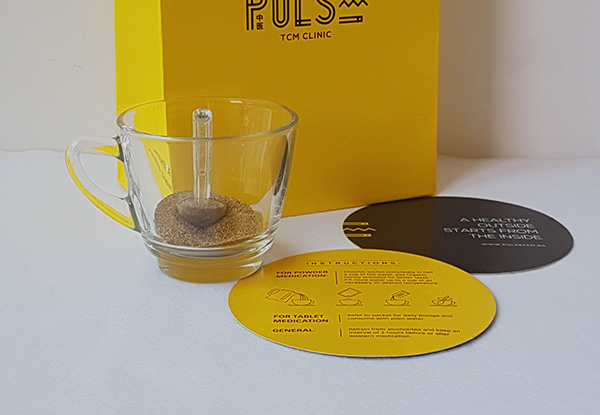 Chinese Herbal Medication
Herbal medication may also be prescribed to further target underlying imbalances contributing to heel pain.
Certain herbs also have anti-inflammatory and pain-relieving properties.
If you would like to explore Chinese medicine treatments to relieve heel pain, we can help. Book an appointment with a PULSE TCM physician today.

Article by Physician Vivian Lee
Note: Information provided is not a substitute for a physician or any form of medical care. Individual symptoms differ due to different body constitutions and diagnosis. One should consult a licensed TCM practitioner for accurate diagnosis and treatment.